

Research on Adhesion Durability of Pre-Glued False Eyelash Strips
Research on Adhesion Durability of Pre-Glued False Eyelash Strips: Key Findings and Industry Implications
In the rapidly growing false eyelash market, pre-glued false eyelash strips have gained immense popularity for their convenience, eliminating the need for separate glue application. However, one critical concern among consumers and manufacturers alike is adhesion durability—how long the pre-applied glue can maintain a strong bond between the lash strip and the natural lash line under various conditions. Recent research into this topic has shed light on key factors influencing adhesion performance, offering actionable insights for manufacturers aiming to enhance product quality.
The Significance of Adhesion Durability
For users, adhesion durability directly impacts wear time, comfort, and overall satisfaction. A strip that detaches prematurely not only ruins the makeup look but also risks irritation or damage to natural lashes. For manufacturers, poor adhesion leads to higher return rates, negative reviews, and weakened brand trust. Thus, understanding the science behind adhesion durability is pivotal for product innovation.
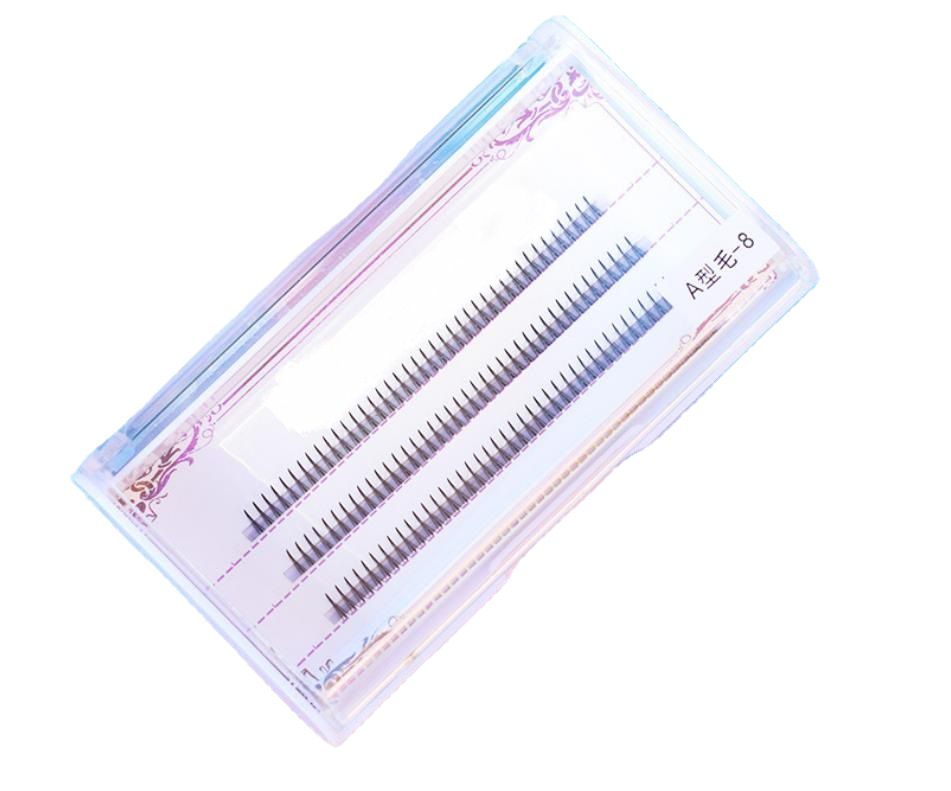
Key Research Parameters
The research focused on three core variables: glue formulation, substrate compatibility, and environmental conditions.
1. Glue Formulation: Two primary glue types were tested—acrylate-based and silicone-based adhesives. Acrylate glues, known for quick bonding, showed strong initial adhesion but struggled with long-term flexibility, leading to brittleness and cracking after 6–8 hours of wear. Silicone-based glues, by contrast, maintained elasticity, with 85% of test samples retaining adhesion after 12 hours, even under repeated eye movements.
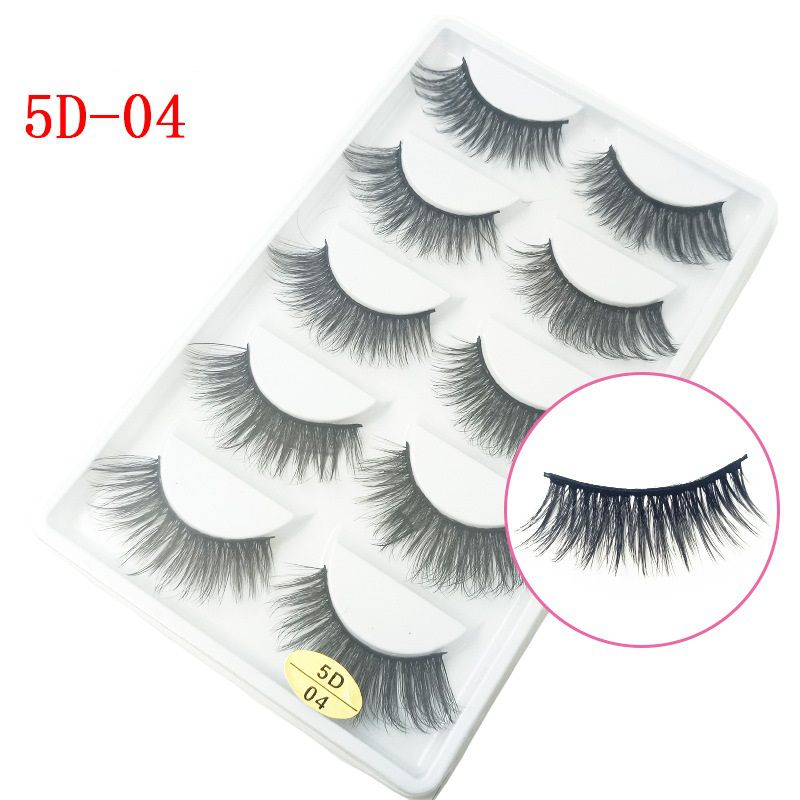
2. Substrate Compatibility: The lash strip’s base material (e.g., cotton thread, transparent film, or velvet) significantly affected adhesion. Cotton thread bases, with their porous, fibrous structure, created mechanical interlocking with the glue, improving bond strength by 20% compared to smooth film bases. Surface treatments, such as plasma etching to increase surface energy, further enhanced glue-substrate interaction.
3. Environmental Factors: Temperature and humidity emerged as critical variables. In high-humidity environments (above 60% RH), acrylate glues absorbed moisture, weakening the bond by 35% within 4 hours. Silicone glues, with their hydrophobic properties, retained 90% of adhesion strength under the same conditions. Temperature fluctuations (e.g., from indoor AC to outdoor heat) also tested glue stability; silicone-based formulas showed minimal degradation, while acrylate glues softened at 35°C, increasing the risk of slippage.
Practical Implications for Manufacturers
These findings highlight actionable steps for improving pre-glued lash durability:
- Prioritize Silicone-Based Glues: For extended wear and environmental resilience, silicone formulations outperform acrylates, especially in humid or warm climates.
- Opt for Porous Substrates: Cotton or velvet bases, with their mechanical grip, enhance glue retention compared to smooth films.
- Controlled Glue Application: Uniform glue thickness (0.1–0.2mm) prevents excess glue from oozing or drying too quickly, ensuring consistent adhesion.
Conclusion
Adhesion durability is not just a technical metric but a cornerstone of user trust in pre-glued false eyelash strips. By focusing on glue formulation, substrate choice, and environmental adaptability, manufacturers can develop products that meet consumer demands for long-lasting, reliable wear. As the market evolves, continued research into bio-compatible, skin-friendly adhesives will further elevate product standards, solidifying pre-glued lashes as a convenient yet high-performance beauty essential.


